PHILA
Live well. Eat well. Move well.
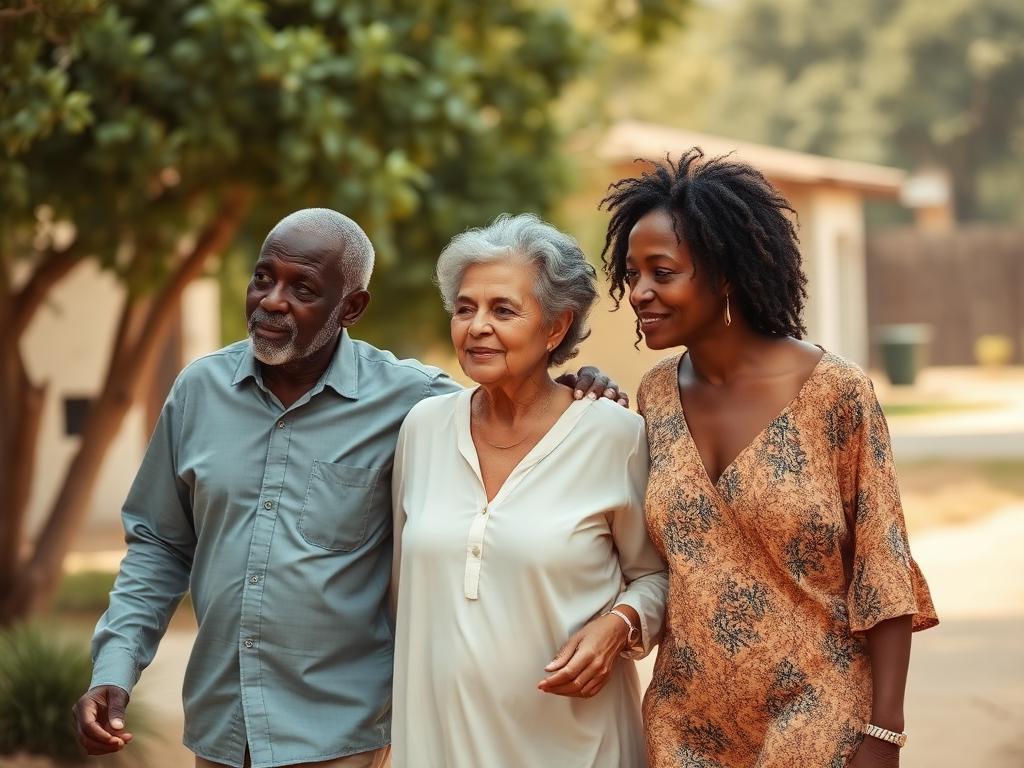
A practical, affordable health guide
Exercise · Healthy Eating · Weight Loss · Weight Gain
DRAFT — Modular Starter Edition
Contents
1. Welcome to Phila
2. Understanding kilojoules (kJ)
3. Exercises to burn kilojoules
3.1 Lazy-friendly starter exercises
3.2 Home exercises (no equipment)
3.3 More energetic options
3.4 Exercise quick-reference table
4. Eating to lose weight — affordable
5. Eating to gain weight — healthy & affordable
6. Burn kilojoules and stay healthy
7. A sample weekly starter plan
8. Where the pictures come from
1. Welcome to Phila
Phila means “be healthy” or “live”. This guide is built around one simple idea: a healthy life shouldn’t need expensive gyms, fancy supplements, or imported foods. Everything in here can be done in a yard, a kitchen, a passage, or a park, using food from the local spaza or supermarket.
This is the starter edition. It is modular on purpose — every section can be added to as Phila grows. Use it, share it, and tell us what to add next.
Who Phila is for
People who want to lose weight without going hungry.
People who are too thin and want to gain healthy weight.
People who think they are “too lazy” to exercise — we start with walking and chores.
Anyone who wants to feel stronger without spending money they don’t have.
Before starting any new exercise plan, people with heart problems, high blood pressure, diabetes, asthma, joint problems, or who are pregnant should speak to a clinic nurse or doctor first.
2. Understanding kilojoules (kJ)
A kilojoule (kJ) is a measure of energy. Food gives your body energy in kilojoules. Exercise and daily movement burn that energy. If you eat more than you burn, your body stores it as fat. If you burn more than you eat, your body uses up its stores and you lose weight.
In South Africa, food labels use kilojoules (kJ). 1 calorie = roughly 4.2 kJ.
A rough daily guide
Person Maintain weight Lose weight (gentle) Gain weight (gentle) Smaller / less active adult Around 7 500 kJ Around 6 300 kJ Around 8 700 kJ Average adult Around 8 700 kJ Around 7 500 kJ Around 10 000 kJ Larger / very active adult Around 10 500 kJ Around 9 000 kJ Around 12 000 kJ
These are starting points, not strict rules. Bodies are different. Watch how clothes fit and how you feel, more than what the scale says.
Two simple rules
1. To lose weight: eat about 1 500 to 2 000 kJ less per day than you burn. That’s roughly half a kilo a week.
2. To gain healthy weight: eat about 1 500 to 2 500 kJ more per day than you burn, mostly from real, filling foods — not sweets and cold drink.
3. Exercises to burn kilojoules
You don’t need a gym. You don’t need equipment. You don’t need to be “fit” to start. Pick exercises from any category. Mix and match. The best exercise is the one you’ll actually do.
The kJ numbers shown are estimates for an average adult (around 70 kg) for 30 minutes. Heavier people burn more, lighter people burn less.
3.1 Lazy-friendly starter exercises
Start here. These don’t feel like “exercise”, but they burn real kilojoules and build the habit of moving.
Slow walking
A gentle stroll around the yard, to the shops, or in the park at roughly 4 km/h.
Roughly 400 kJ in 30 minutes (average adult).
![Person walking calmly on a township street or park path, comfortable clothes, smiling.] (media/image2.png “Person walking calmly on a township street or par k path, comfortable clothes, smiling.”){width=”3.9583333333333335in” height=”2.96875in”}
Person walking calmly on a township street or park path, comfortable clothes, smiling.
Brisk walking
Walk fast enough that you can still talk but not sing. Roughly 5–6 km/h.
Roughly 650 kJ in 30 minutes (average adult).
{width=”3.9583333333333335in” height=”2.96875in”}
Person walking purposefully, arms swinging, slight forward lean.
Speed walking
Fast heel-to-toe walk with strong arm swing. Roughly 7+ km/h.
Roughly 900 kJ in 30 minutes (average adult).
{width=”3.9583333333333335in” height=”2.96875in”}
Action shot from the side showing strong stride and bent arms swinging.
Standing housework
Sweeping, mopping, washing dishes, hanging laundry. Stay upright and keep moving.
Roughly 450 kJ in 30 minutes (average adult).
{width=”3.9583333333333335in” height=”2.96875in”}
Person sweeping a stoep with a grass broom, mid-movement.
Gardening
Digging, weeding, watering, carrying water. Counts as real exercise.
Roughly 600 kJ in 30 minutes (average adult).
{width=”3.9583333333333335in” height=”2.96875in”}
Person digging a small vegetable patch with a spade.
3.2 Home exercises (no equipment)
All you need is space to stand. Aim for 2–3 sets of each, 10–15 reps. Rest between sets.
Marching on the spot
Lift knees up high, swing arms. Great warm-up or full workout in front of the TV.
Roughly 700 kJ in 30 minutes (average adult).
{width=”3.9583333333333335in” height=”2.96875in”}
Person marching with one knee lifted high, arms in running position.
Star jumps (jumping jacks)
Jump feet out wide and arms overhead, then back to standing. 30 seconds on, 30 off.
Roughly 1000 kJ in 30 minutes (average adult).
{width=”3.9583333333333335in” height=”2.96875in”}
Action shot of arms and legs spread mid-jump.
Bodyweight squats
Feet shoulder-width, sit back like reaching for a chair, stand up. Knees behind toes.
Roughly 900 kJ in 30 minutes (average adult).
{width=”3.9583333333333335in” height=”2.96875in”}
Side view, person at the bottom of a squat, chest upright.
Lunges
Step one foot forward, lower back knee toward floor, push back up. Alternate legs.
Roughly 750 kJ in 30 minutes (average adult).
{width=”3.9583333333333335in” height=”2.96875in”}
Person at bottom of a forward lunge, back knee just above the ground.
Step-ups on a low step
Step up onto a sturdy step or low bench, then back down. Use the same foot for 10 reps, then switch.
Roughly 800 kJ in 30 minutes (average adult).
{width=”3.9583333333333335in” height=”2.96875in”}
Person stepping onto a concrete step or low wooden box.
3.3 More energetic options
Once walking and home exercises feel easy, add these to burn more kJ in less time.
Skipping rope
Light bounce, rope barely off the ground. Try 30 seconds on, 30 off until you can go longer.
Roughly 1400 kJ in 30 minutes (average adult).
{width=”3.9583333333333335in” height=”2.96875in”}
Action shot of person skipping, rope blurred underneath.
Jogging (slow run)
Easy pace where you can still say a short sentence. Soft landing, mid-foot strike.
Roughly 1100 kJ in 30 minutes (average adult).
{width=”3.9583333333333335in” height=”2.96875in”}
Side view of a relaxed jogger on a dirt road or park path.
Cycling (moderate)
Steady riding on flat or slightly hilly road. Helmet recommended.
Roughly 900 kJ in 30 minutes (average adult).
{width=”3.9583333333333335in” height=”2.96875in”}
Person cycling on a township road or open path, helmet on.
Stair climbing
Walk or jog up a flight of stairs, walk down to recover, repeat. Great if you have stairs at home or in a building.
Roughly 1000 kJ in 30 minutes (average adult).
{width=”3.9583333333333335in” height=”2.96875in”}
Person climbing a flight of outdoor stairs, one foot lifted mid-step.
Dancing
Put on music you love and keep moving for whole songs. Counts properly as exercise.
Roughly 800 kJ in 30 minutes (average adult).
{width=”3.9583333333333335in” height=”2.96875in”}
Two friends dancing in a living room, arms in the air, big smiles.
Burpees
Squat down, jump feet back to plank, jump them forward, jump up. Tough but very effective.
Roughly 1500 kJ in 30 minutes (average adult).
{width=”3.9583333333333335in” height=”2.96875in”}
Multi-pose action illustration of the four burpee positions.
3.4 Exercise quick-reference table
All exercises ranked by kilojoules burned in 30 minutes (average adult). Use this to plan your day or pick what suits your energy.
Exercise Category kJ in 30 min Burpees Energetic 1500 kJ Skipping rope Energetic 1400 kJ Jogging (slow run) Energetic 1100 kJ Star jumps (jumping jacks) Home (no equipment) 1000 kJ Stair climbing Energetic 1000 kJ Speed walking Lazy-friendly 900 kJ Bodyweight squats Home (no equipment) 900 kJ Cycling (moderate) Energetic 900 kJ Step-ups on a low step Home (no equipment) 800 kJ Dancing Energetic 800 kJ Lunges Home (no equipment) 750 kJ Marching on the spot Home (no equipment) 700 kJ Brisk walking Lazy-friendly 650 kJ Gardening Lazy-friendly 600 kJ Standing housework Lazy-friendly 450 kJ Slow walking Lazy-friendly 400 kJ
4. Eating to lose weight — affordable
Losing weight isn’t about expensive diet food. It’s about eating real food, in sensible amounts, and choosing the kinds of food that keep you full for longer so you stop reaching for snacks.
The principles
-
Fill half your plate with vegetables — cabbage, spinach (morogo), carrots, butternut, tomato, onion. These are cheap and very low in kJ.
-
A quarter of the plate is protein — eggs, beans, lentils, tinned pilchards, chicken, soya mince. Protein keeps you full.
-
A quarter is starch — a small portion of pap, brown bread, brown rice, samp or potato. Smaller than you used to eat.
-
Drink water, rooibos and unsweetened tea or coffee. Cut out sugary cold drinks — a single 500 ml soft drink can be over 850 kJ of pure sugar.
-
Use less oil and less sugar. A teaspoon of sugar in tea three times a day adds up.
-
Don’t skip meals. Hunger leads to overeating later.
Affordable foods to fill up on
-
Cabbage, spinach / morogo, carrots, butternut, tomato, onion, green pepper
-
Sugar beans, lentils, split peas, soya mince
-
Eggs, tinned pilchards, tinned tuna in water, chicken pieces (remove skin)
-
Oats, brown bread, brown rice, brown pap, samp
-
Apples, bananas, pears, naartjies, oranges in season
-
Maas (amasi), low-fat milk, plain yoghurt
-
Water, rooibos, ginger tea
Foods to limit
-
Sugary cold drinks, energy drinks, sweetened juice
-
White bread, white rice and white pap in big portions
-
Fried foods — vetkoek, slap chips, samosas, fried chicken
-
Sweets, chocolates, biscuits, cake
-
Processed meats — polony, viennas, russians
A sample day for losing weight
Breakfast
Oats with banana — 1/2 cup oats cooked in water, sliced banana on top, sprinkle of cinnamon. (Around 1100 kJ)
Eggs with tomato on brown bread — 2 boiled or scrambled eggs, fresh tomato slices, 1 slice brown bread. (Around 1200 kJ)
Maas (amasi) with oats and apple — 1/2 cup oats soaked in maas overnight, chopped apple on top. (Around 1300 kJ)
Lunch
Pap with morogo and beans — Small portion of pap (half a fist), big portion of morogo, half a cup of sugar beans. (Around 1600 kJ)
Cabbage and lentil stew — Shredded cabbage, chopped onion, garlic, lentils, tomato. Cook with a little oil. Serve with 1 slice of brown bread. (Around 1500 kJ)
Tinned pilchards salad — 1/2 tin pilchards in tomato sauce, mixed with chopped onion, tomato, cucumber. Eat with 2 slices of brown bread. (Around 1700 kJ)
Dinner
Chicken and vegetable stew — Skinless chicken pieces stewed with carrots, onion, cabbage and tomato. Small scoop of brown rice. (Around 1800 kJ)
Bean stew with butternut — Sugar beans cooked with onion, garlic, tomato, served with steamed butternut and morogo. (Around 1700 kJ)
Soya mince with vegetables — Soya mince cooked with tomato, onion, mixed veg, served with a small portion of samp. (Around 1900 kJ)
Snacks (pick one or two between meals)
-
Apple, banana, naartjie or pear
-
Boiled egg
-
Carrot sticks or cucumber slices
-
Small handful of raw peanuts (about 20)
-
Cup of rooibos tea (no sugar)
The cold-drink trap
Swapping one 500 ml sugary cold drink a day for water saves roughly 6 000 kJ a week.
That alone can be the difference between losing weight and staying the same.
5. Eating to gain weight — healthy & affordable
Many people in our communities struggle to gain weight, not to lose it. The wrong way is to eat cheap takeaways, vetkoek and cold drink — that puts on fat without making you strong. The right way is to eat more often, with bigger portions of real, filling, affordable food.
The principles
-
Eat 5–6 times a day — three meals and two or three snacks. Don’t wait until you’re hungry.
-
Add an extra spoon of peanut butter, oil, or grated cheese to meals — it adds kJ without adding bulk.
-
Drink your kJ between meals — a glass of full-cream milk or a banana milkshake is easy energy.
-
Eat protein at every meal — eggs, beans, milk, chicken, soya — so the extra kJ build muscle, not just fat.
-
Do strength exercises (squats, lunges) so the body builds muscle as you gain weight.
Affordable foods to add more of
-
Peanut butter — cheap, dense in kJ, full of protein
-
Full-cream milk, maas, full-cream yoghurt
-
Eggs — cheap protein, eat 2–3 a day
-
Sugar beans, lentils, samp
-
Oats, maize meal, brown rice, brown bread
-
Bananas, avocados (in season)
-
Cooking oil (sunflower) — a little extra in cooking adds kJ
-
Chicken pieces, beef stew meat, mince — when budget allows
-
Tinned fish (pilchards, tuna)
A sample day for gaining weight
Breakfast
Big oats with peanut butter and banana — 1 cup oats cooked in full-cream milk, 2 tablespoons peanut butter, sliced banana, drizzle of honey. (Around 2800 kJ)
Eggs, bread and cheese — 3 scrambled eggs, 2 slices of bread with margarine, a slice of cheese, glass of full-cream milk. (Around 2900 kJ)
Maize meal porridge with milk — Stiff maize meal porridge made with milk and a little sugar, served with peanut butter on the side. (Around 2700 kJ)
Lunch
Samp and beans with meat — Big bowl of samp and beans (umngqusho), small piece of beef or chicken, drizzle of oil. (Around 3200 kJ)
Pap and meat stew — Generous pap portion, beef or chicken stew with potatoes and vegetables. (Around 3100 kJ)
Double peanut butter and banana sandwich — 4 slices brown bread, peanut butter on each, sliced banana inside, glass of full-cream milk on the side. (Around 2800 kJ)
Dinner
Rice with chicken and veg — Big plate of rice, chicken thighs (skin on if budget allows), carrots and spinach. Cook with sunflower oil. (Around 3300 kJ)
Pasta with tomato mince — Pasta with beef or soya mince in a rich tomato sauce, grated cheese on top. (Around 3000 kJ)
Pap, mogodu (tripe) and morogo — A traditional, filling, affordable plate. Generous portions. (Around 3200 kJ)
Snacks (have 2–3 between meals)
-
Peanut butter and jam sandwich
-
Glass of full-cream milk or maas
-
Handful of peanuts and raisins
-
Banana milkshake (banana, milk, peanut butter blended)
-
Boiled eggs (2)
-
Slice of bread with avocado when in season
The banana milkshake
1 ripe banana + 1 cup full-cream milk + 2 tablespoons peanut butter + a teaspoon of honey, blended (or mashed and shaken).
Around 2 000 kJ, drunk easily between meals. The single best snack for healthy weight gain.
6. Burn kilojoules and stay healthy
It’s easy to lose weight in unhealthy ways — skipping meals, crash dieting, exercising on an empty stomach. That makes you tired, sick, and you put the weight back on quickly. Phila is built around staying strong while you change.
The five staying-healthy rules
-
Drink water before, during and after exercise. Aim for 6–8 glasses a day total.
-
Eat something small before exercising — a banana, a slice of bread — if you haven’t eaten for hours.
-
Sleep 7–9 hours a night. The body repairs and burns fat best during sleep.
-
Take rest days. Two days a week of light activity (just walking) is enough.
-
Listen to your body. Pain that lasts more than a day means rest, not push through.
Warning signs — stop and see a clinic
-
Chest pain or tightness during exercise
-
Dizziness, fainting, or seeing spots
-
Losing weight very fast without trying (more than 2 kg a week)
-
Constant tiredness even after sleep
-
Pain in joints that doesn’t go away in a day
7. A sample weekly starter plan
A starting point only. The goal is to move every day, even if just a little.
Day Movement Roughly burns Monday 30 min brisk walk + 10 min home exercises Around 900 kJ Tuesday 20 min housework + 15 min squats and lunges Around 750 kJ Wednesday 30 min speed walk Around 900 kJ Thursday Rest — a gentle 15 min stroll Around 200 kJ Friday 20 min star jumps & marching + 20 min walk Around 1 000 kJ Saturday 45 min walk, gardening, or dancing Around 1 000 kJ Sunday Rest or a relaxed walk Around 300 kJ
That’s roughly 5 000 kJ a week from movement alone — without spending a cent.
8. Where the pictures come from
The cartoon illustrations in this guide are placeholder art designed to make each exercise easy to recognise. They show the basic body position so the reader can see what to do.
For a polished published version, the illustrations can be replaced with photographs of real people doing each exercise. A companion document, “Phila Image Brief”, lists every image with detailed photo briefs for a photographer.
To swap an illustration for a photo
-
Right-click the illustration → Change Picture → choose your new photo.
-
Keep the photo roughly 16 cm wide so it matches the others.
-
Keep the caption underneath — or write a new one.
This is a starter edition
Sections to add later: more recipes, weekly shopping lists with Rand budgets, exercises for older people, exercises for children, mental health and Phila, traditional foods deep-dive.
The document is designed to grow. Add headings under any section and the structure will hold.